No. 3 · Charging · Consumer electronics · Oct 8, 2026
He Quit Google Over an $80 Laptop Battery
Steven Yang went home to Changsha to sell power banks on Amazon. Fifteen years later, Anker books $4.3 billion a year and leads the world in charging gear sold online.
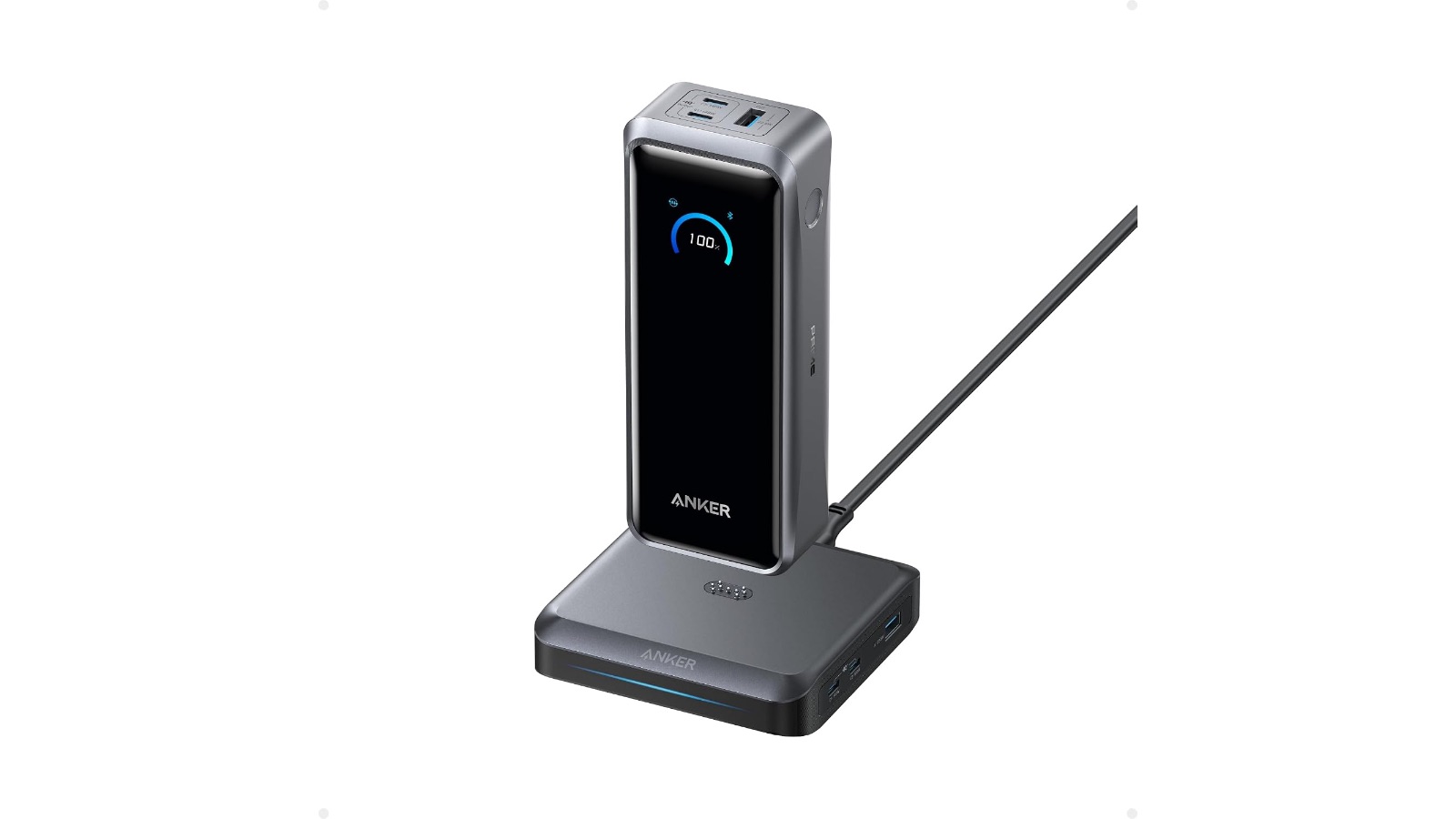
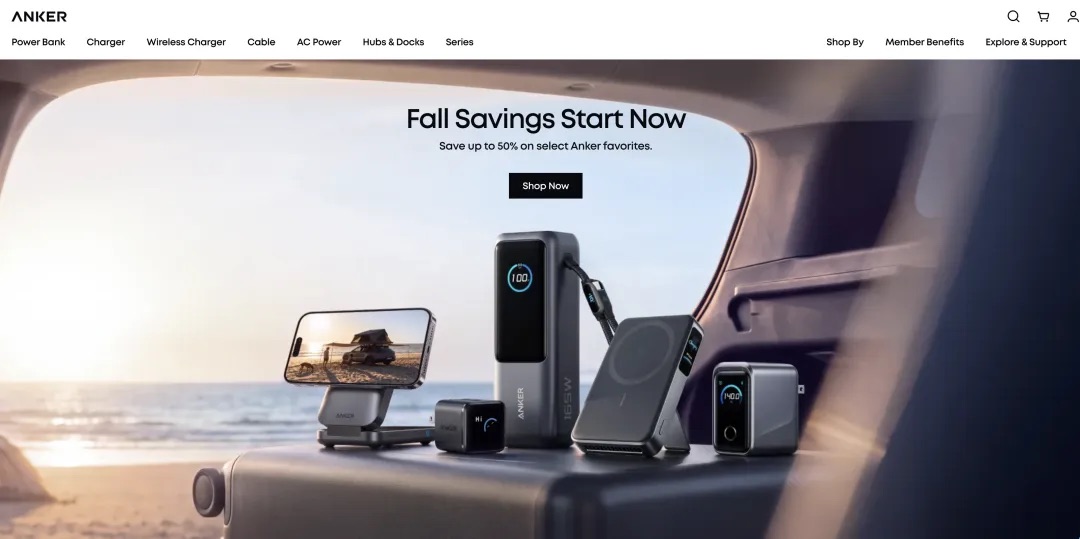
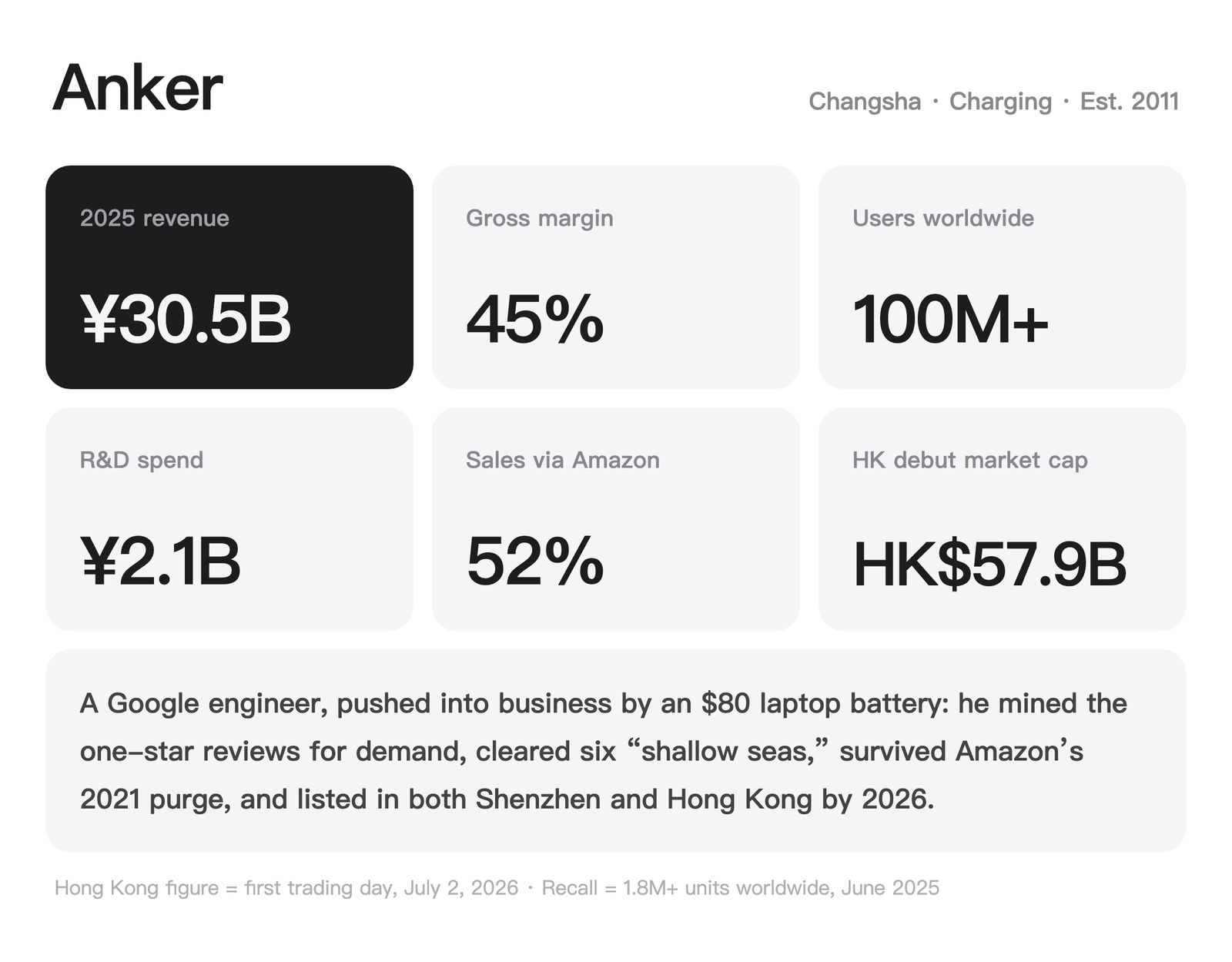
Anker, of Changsha, China, started out with a power bank. It now has more than 100 million users worldwide, 2025 revenue of ¥30.5 billion (about $4.3 billion), and the No. 1 spot in charging gear sold online. In July 2026 it completed a dual listing in Shenzhen and Hong Kong.
A business found in the one-star reviews
Steven Yang (阳萌), born 1982 in Changsha. Computer science at Peking University, then Google, working on search algorithms. A model-student résumé, with a starting point almost comically small: he wanted a cheaper battery for his laptop.
On Amazon, the original battery cost $80. The no-name ones cost $20, but rated three stars. Most people would sigh and buy the original. He didn't. He read the bad reviews, all of them, and reached a conclusion: the real quality gap was far smaller than the ratings suggested. Good things were too expensive, cheap things were too shoddy, and in between lay a strip of land nobody was working. Good, and not expensive.
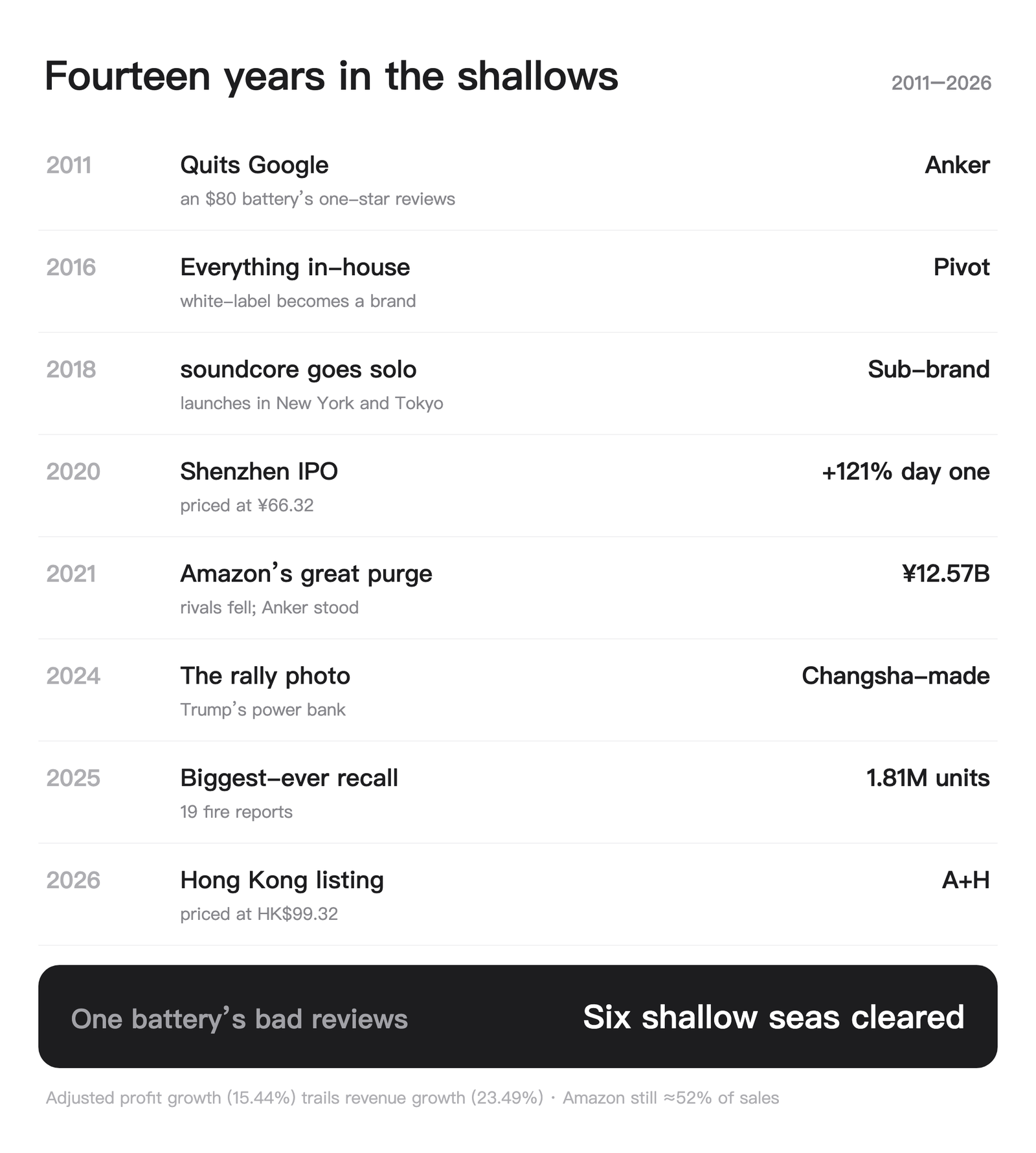
In 2011 he quit, registered the brand Anker in California (German for "anchor"), brought along colleagues from Google, and founded the company back home in Changsha. The early route was to commission quality products in Shenzhen's Huaqiangbei electronics district and sell them on Amazon under his own label. Within a year they switched to their own R&D; from 2016 on, every product was developed in-house.
A search engineer's occupational habit saved him. Where others read sales charts, he read complaints. A bad review is a product-requirements document the user writes for you, free of charge. The line later became a standard lesson across China's whole cross-border e-commerce industry, but the first person to take it literally ate the whole table. In August 2020, Anker listed on Shenzhen's ChiNext board at ¥66.32 a share and rose 121 percent on day one.
The shallow-sea doctrine
In 2017, Yang went off to do an MBA and frightened himself writing the thesis. Consumer-electronics categories live fast and die young; with fast charging spreading and phone batteries growing, the power bank itself might simply disappear.
The product of that anxiety became famous in Chinese business circles as the "shallow sea" strategy. In his own words: a shallow sea is any single category worth less than $50 billion. Robot vacuums, say, are barely over $10 billion. Small categories mean shallow technology stacks. Commit a team of three to five hundred people for three years, and you will probably come up with a product.
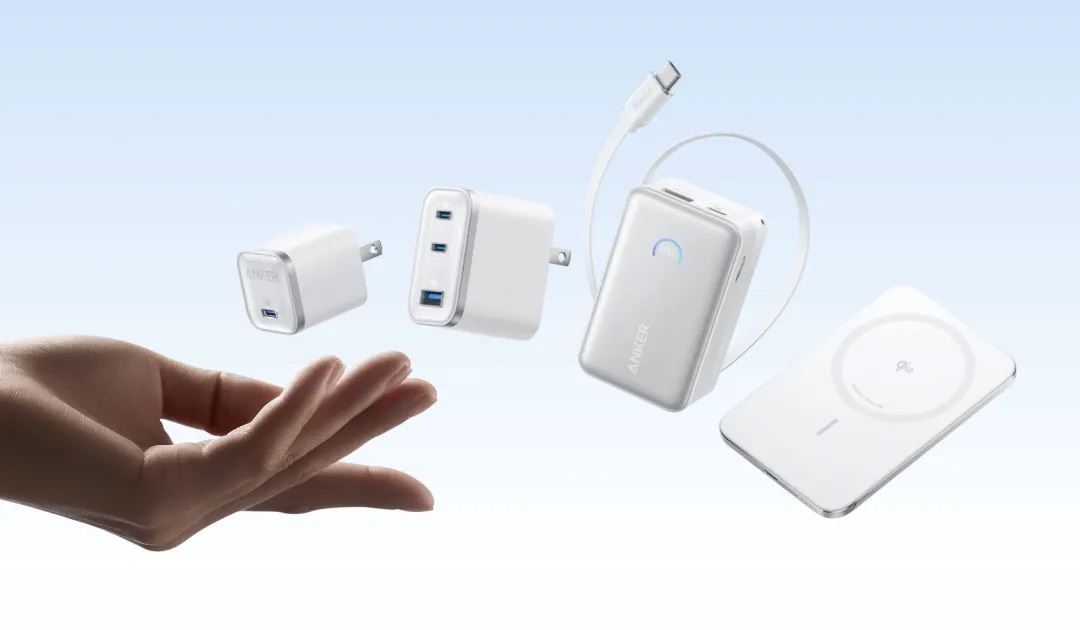
Translated: do not duel whales in deep water. Hunt the shallows that giants cannot be bothered with and small factories cannot crack, and clear them one at a time. Today the map shows six shallows: Anker for charging, eufy for robot vacuums and home security, soundcore for audio, Nebula for projectors, plus a 3D-printing line and a conferencing-hardware line. Combined users: over 100 million.
The tuition was real too. His own post-mortem: after painfully shutting down ten categories, I learned to find the right people and to split the money properly. And his theory of management: a company is either a king with his knights, or a federation with a president. I chose to be president, not king. Six brands, six provinces; the president only writes the constitution and splits the money.
Two examinations
The first was Amazon's great purge of 2021. Over fake reviews and rule-breaking, the platform launched the harshest crackdown in its history. Shenzhen's mega-sellers fell in rows: Patozon, Aukey, Youkeshu. Aukey alone had ¥235 million frozen. A decade of "free product for five stars," the industry's open secret, turned overnight from shortcut into evidence. Anker lost not a single store, and that same year its revenue crossed ¥10 billion for the first time, reaching ¥12.57 billion.
The second came in August 2024, in a photograph the whole world saw. In footage from the Trump rally shooting, someone spotted a detail in the gear on hand: the power bank was an Anker. "Trump's power bank comes from Changsha." Not a cent spent on advertising, and the story trended in China for days.
The numbers
The staircase of growth: ¥12.57 billion in 2021, ¥24.71 billion in 2024, ¥30.51 billion in 2025. Still up 23.49 percent in 2025, with net profit of ¥2.55 billion and a 45 percent gross margin. R&D runs ¥2.1 billion a year, 8.5 percent of revenue, behind more than 2,000 patents worldwide, 250 of them invention patents.
On July 2, 2026, the bell rang in Hong Kong: issue price HK$99.32, first-day market value HK$57.9 billion.
The flip side
As always in this series, the reverse of the medal:
One, the recall. In June 2025, Anker launched the largest recall in its history: more than 1.8 million units worldwide, after 19 reports of fire or explosion. The root cause was a supplier quietly changing raw materials, and the same supplier dragged Romoss, Ugreen and a string of other brands into an industry-wide certification storm. Anker's recall was voluntary and handled cleanly; the industry even holds it up as a model crisis response. But for a company that stakes its name on safe charging, this lesson landed at the foundations.
Two, the Amazon dependence. The curve descends slowly: 55.95 percent of revenue in 2022, about 52 percent in 2025, roughly ¥15.9 billion. It has been falling for years, and it is still more than half. Platform rules and tariffs hang overhead, a matched pair of swords.
Epilogue
兵形象水——水之形,避高而趋下;兵之形,避实而击虚。
An army takes its form from water. Water avoids the heights and hurries downhill; an army avoids strength and strikes at weakness.
— Sun Tzu, The Art of War, "Weak Points and Strong"
Anker runs on this sentence. Avoid the deep seas where the giants are. Hunt the shallows they cannot be bothered with and small factories cannot crack, read the bad reviews until the empty middle ground of "good, and not expensive" shows itself, and clear the shallows one at a time. No knife fights with whales; build your granaries where the water is low.
But the price of striking at weakness is that shallow water often means shallow roots. The 1.8 million recalled units came from a supplier swapping materials where the chain should have been strongest; more than half the revenue rides at anchor in someone else's harbor. For an anchor to hold, choosing shallow water is not enough. It depends on the chain underneath, and whether it is hard enough.
Do one small, ordinary thing well, decade after decade — that is extraordinary.
I'm Gu Yi (顾义), writing 1,001 stories of the world's quietly remarkable businesses. This is No. 3. May one of them matter to you.
RSS · WeChat Official Account: 跨境杂牌铺