No. 2 · 3D printing · Oct 1, 2026
Four DJI Veterans, One Bungalow, and the Printer That Woke Up 3D Printing
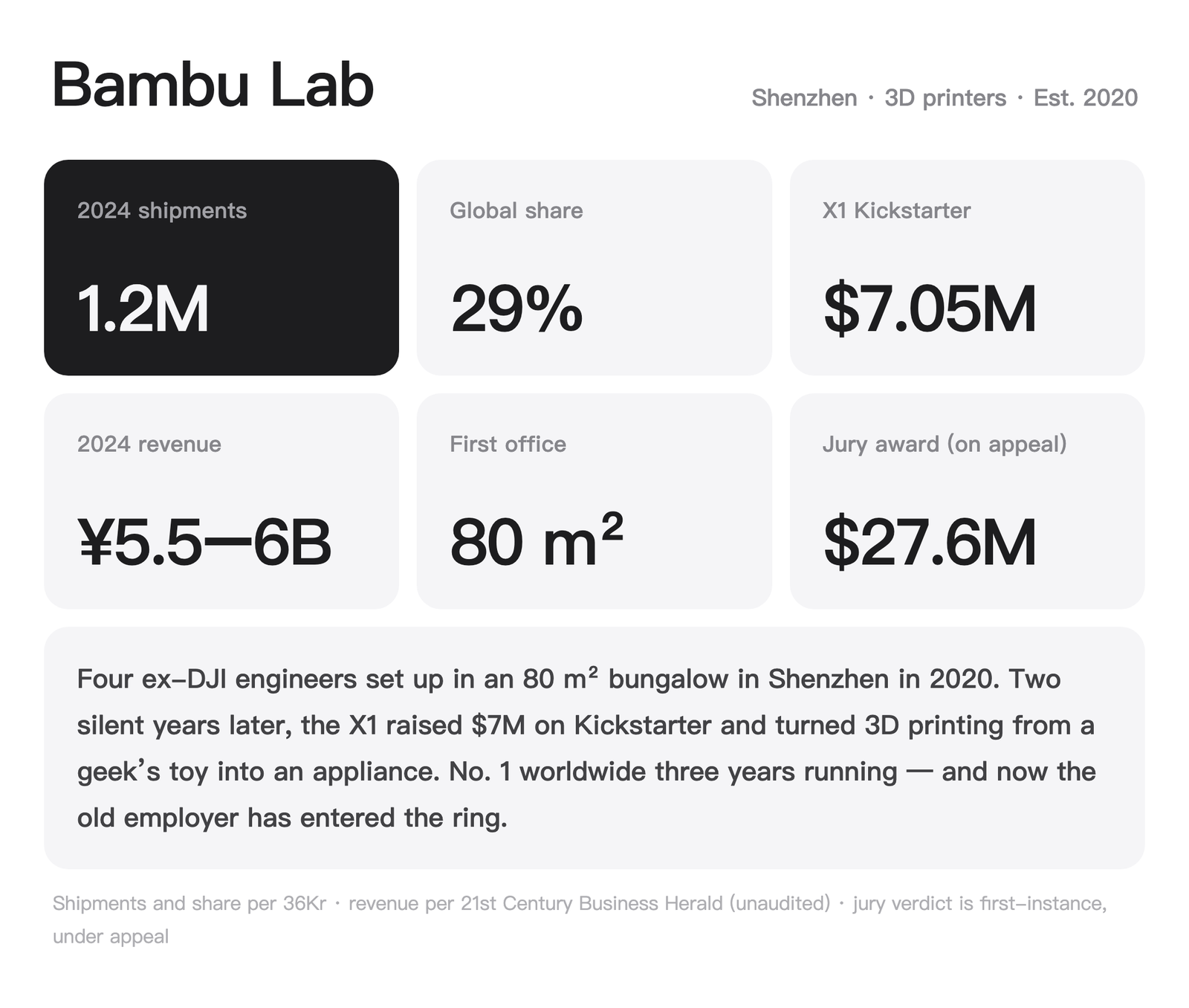
Bambu Lab shipped 1.2 million printers in 2024, about 29% of the consumer market. Its founder had meant to stay at DJI until retirement.
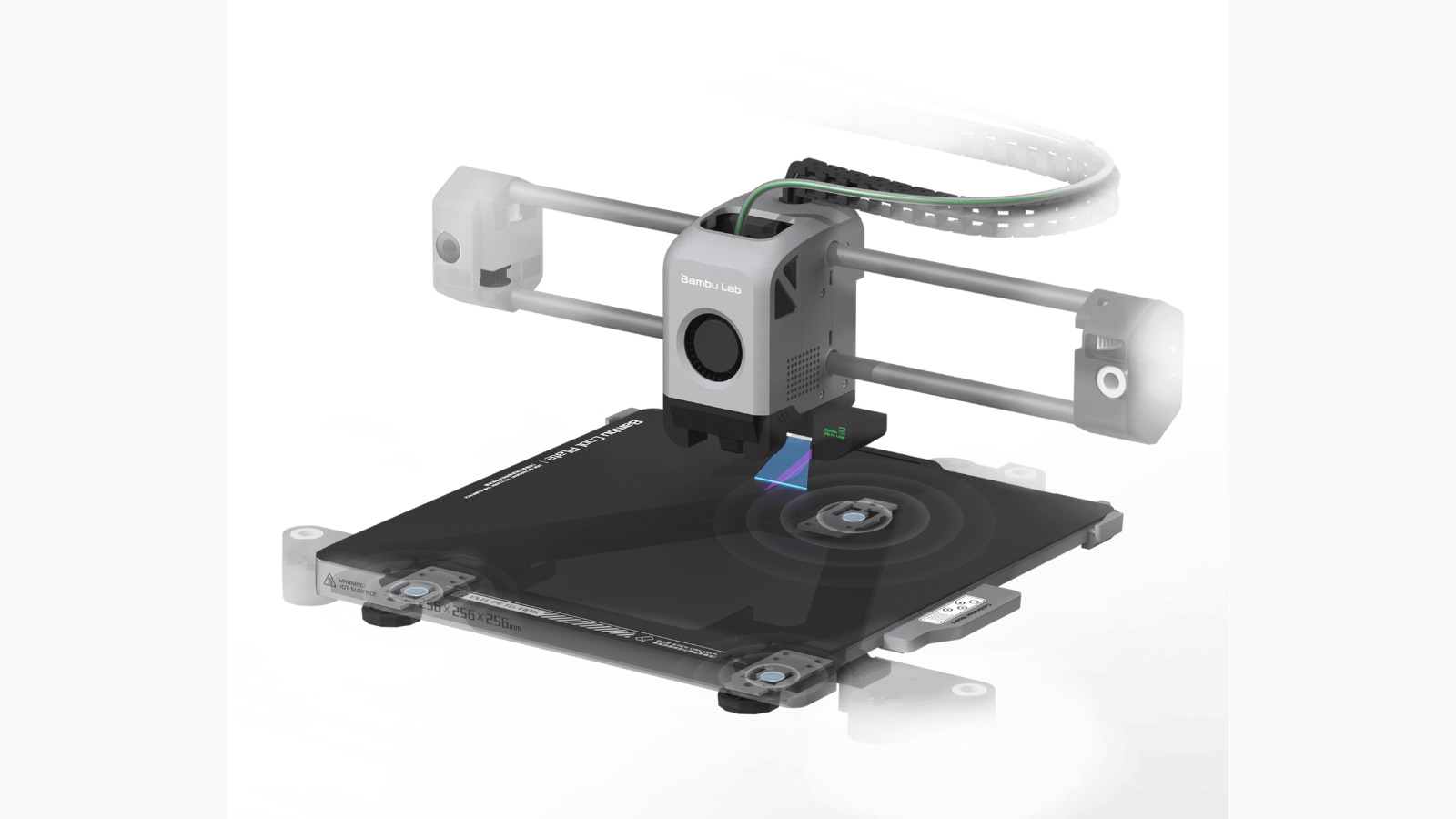
Bambu Lab, of Shenzhen, China: it took the 3D printer, a geek's toy that used to demand an afternoon of tuning, and made it an appliance that works out of the box. More than 1.2 million units shipped in 2024, roughly 29 percent of the consumer market, No. 1 three years running.
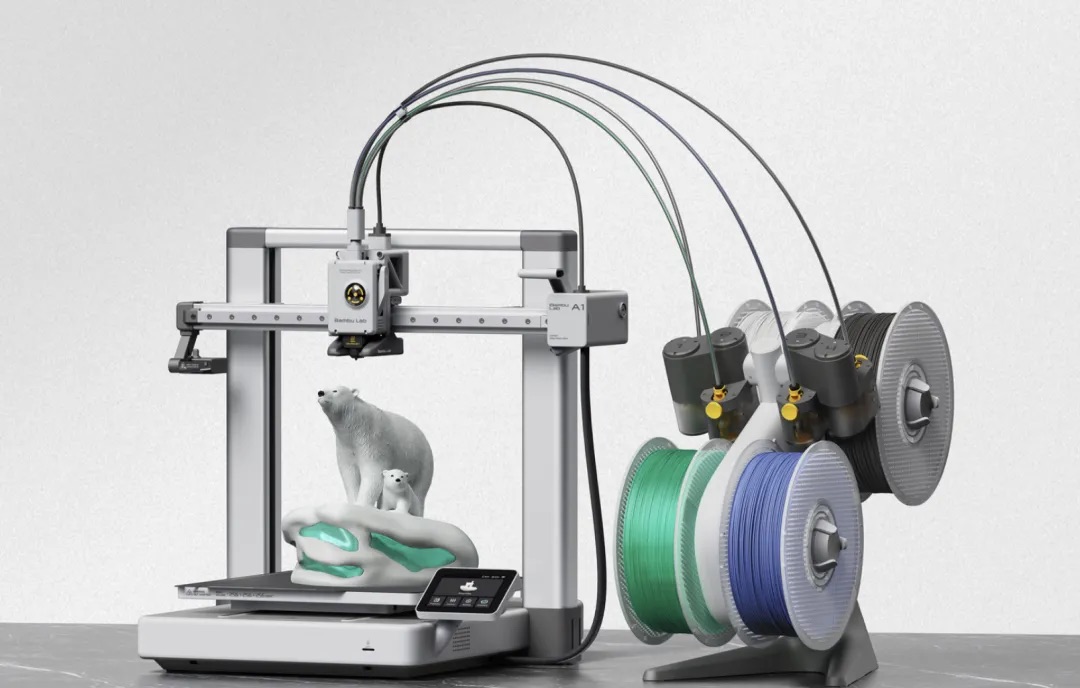
Everyone who has owned a 3D printer has printed the same little boat. It is called Benchy, the hobby's standard test piece. Before 2022, the procedure for printing it well went roughly like this: level the bed, tune the temperature, tune the speed, fail, consult the forums, fail again, consult again. The first two weeks after bringing a machine home were spent waiting on it. Many people wanted to play; few could afford the servitude. That gap sat open for ten years.
The man who meant to retire at DJI
Ye Tao (陶冶) holds a PhD in fluid dynamics, earned in Germany. He joined DJI around 2012 and stayed eight years, as product manager on the Mavic Pro and later running the entire consumer-drone business. In his own words, he had planned to work at DJI until retirement.
He did try. By media accounts, he tried to persuade the boss that beyond drones, 3D printing was worth doing. The boss was not persuaded.
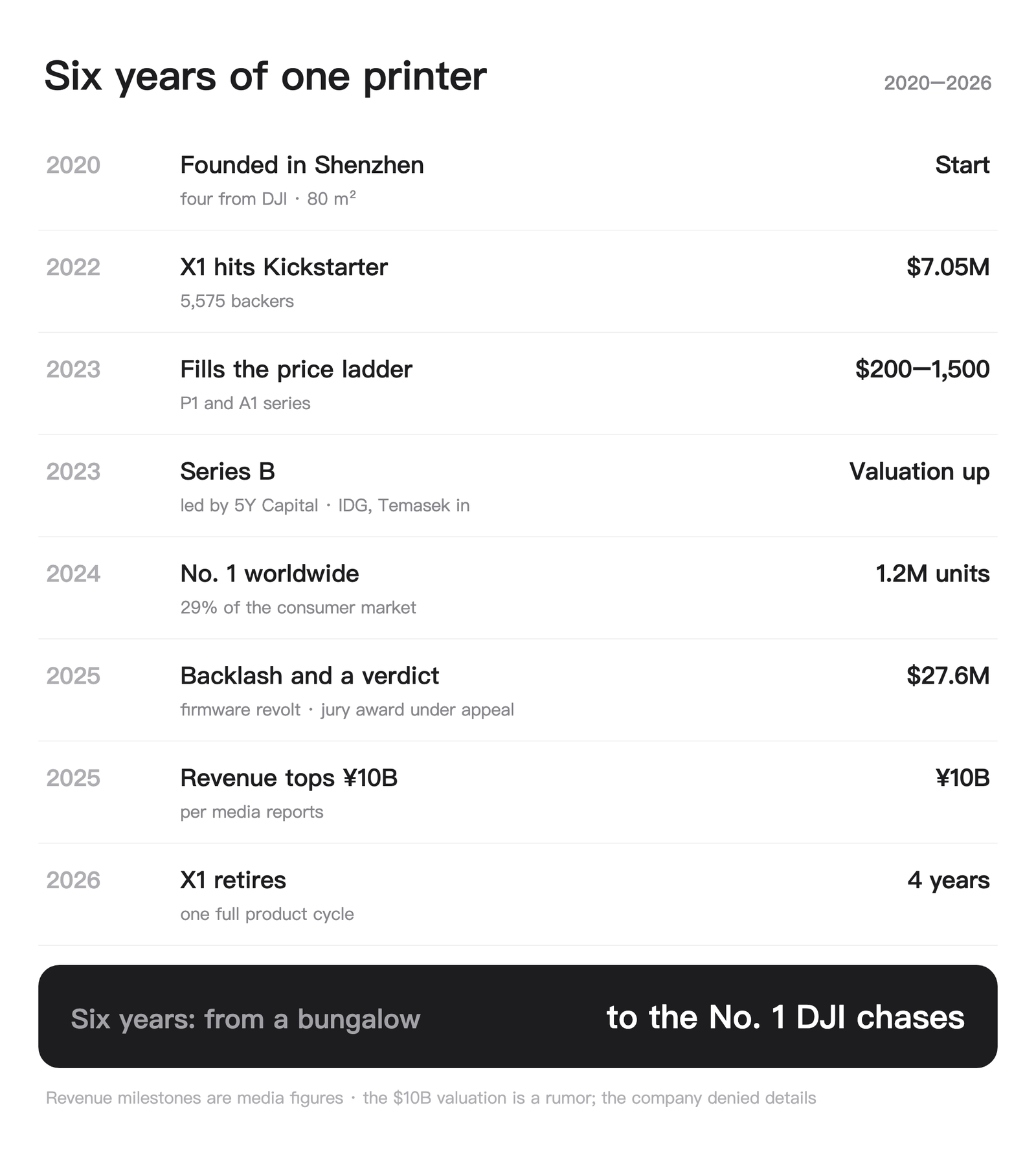
In November 2020, he and three DJI colleagues registered Bambu Lab in Shenzhen. CTO, COO: all old colleagues. The office was an 80-square-meter bungalow, about 860 square feet. He has described three criteria for picking the race: a clear technical path to becoming the best in the world; a high enough ceiling; and a barrier to entry high enough to avoid a premature price war.
The 3D printer fit precisely.
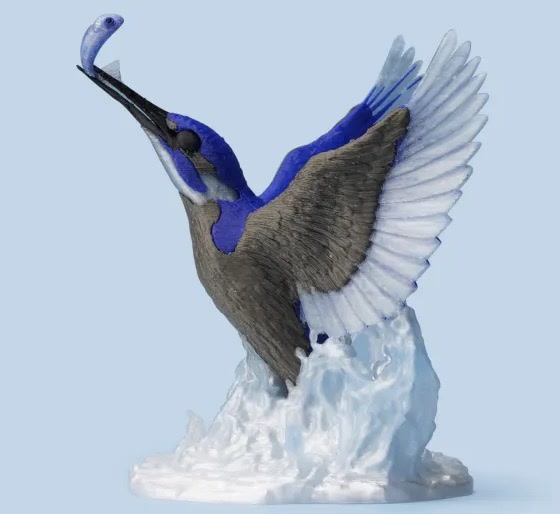
Two years of silence, then one shot
For the next year and a half, the company made no sound. No launch events, no funding announcements, no teasers. Four people and their team, in a bungalow, moved the drone playbook (motor control, machine vision, algorithms) onto a printer, piece by piece.
On May 31, 2022, the first product, the X1, went live on Kickstarter. Print speed of 500 millimeters per second, several times the mainstream at the time; lidar and an AI camera inside, so the machine notices a botched print by itself; an automatic material station that prints four colors in one job. Priced at around $1,500, everything included.
The first wave of comments under the campaign split evenly between awe and suspicion: a company nobody has heard of, on what grounds?
Closing day supplied the answer: 5,575 backers, $7,047,538 raised.
Filling the whole price list in a year
After a hit, most companies raise prices while the iron is hot. Bambu's choice was to march downmarket.
The eighteen months after the X1: P1P, P1S, A1 mini, A1, from $1,500 all the way down to the $200 tier. For the enthusiast, a flagship; for the student, an entry model; for the parent who just wants to print the kid a toy, a machine that is working ten minutes out of the box.
In parallel it launched MakerWorld, a model community: upload a design, and anyone else prints it in one tap. By the company's cited figures, the community reached about 10 million monthly active users by the end of 2025, with 83 percent retention. The old rule of the hobby was "learn CAD to deserve a printer." The new one is "can you click."
The community matters one level deeper than the numbers. A 3D printer's leading cause of death was never price; it was running out of things to print three months in. The machine gathers dust, and the word of mouth dies. MakerWorld bolts an inexhaustible magazine onto every machine sold: other people's toys, wall hooks, phone stands, printable on sight. Hardware sells the ticket; the community sustains usage; and usage is where repurchase and reputation are born. It is a combination lifted straight from consumer electronics, and DJI people know it cold.
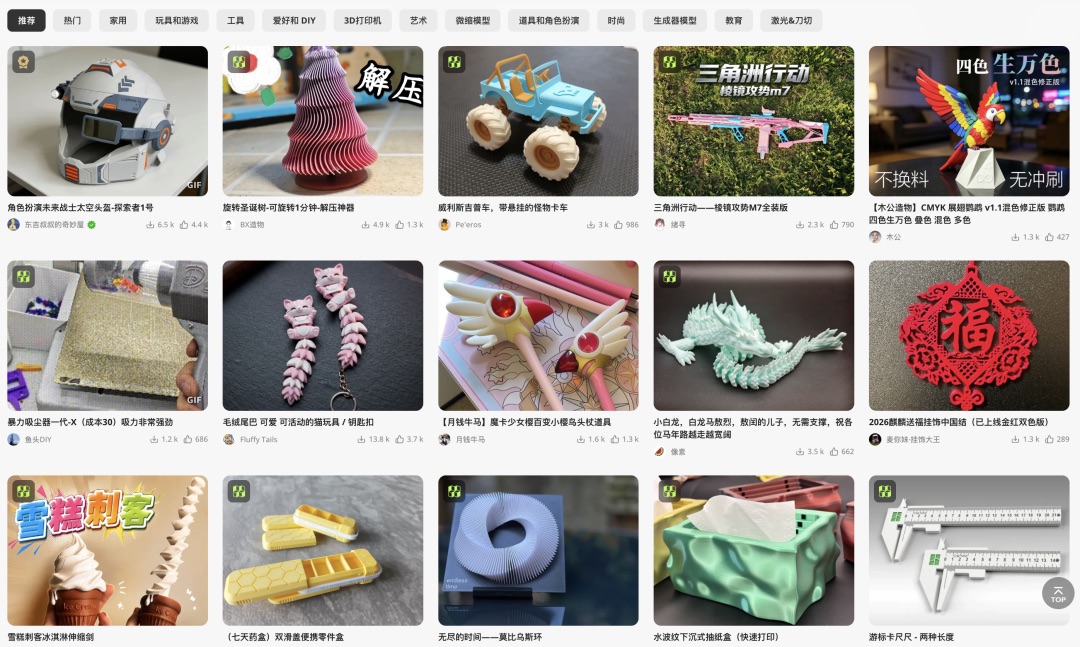
What "consumerization" means here is turning a craft into a peripheral. A paper window nobody had poked through in ten years finally got poked.
Capital smelled it first. In September 2023, 5Y Capital led a Series B, with IDG, Temasek and Mingshi Ventures crowding the shareholder list. By mid-2025 the bungalow company was valued at more than ¥30 billion. Its first hero product, the X1 line, retires from production in 2026: from crowdfunding hit to honorable discharge in four years flat, one complete cycle of a category going from toy to appliance.
The wolf arrives
The revenue line, per media accounts: about ¥1.5 billion in 2023, ¥5.5 to 6 billion in 2024, and past ¥10 billion in 2025, according to reports. Shipments of 1.2 million units, roughly 29 percent of the consumer market, three years at No. 1. In November 2025 came another report of a new round at a rumored $10 billion valuation; the company denied details of the report. The numbers are rumors. The direction, nobody doubts.
That same month, something else happened: DJI was reported to be entering 3D printing.
With the old employer stepping into the ring, Tao posted on WeChat Moments. In full: "The wolf was always going to come; we never doubted it. We just didn't expect the wolf to take this long developing products with ours as the reference design, which has given us two extra years to stockpile grain and sharpen our blades."
The apprentice left and took a city with the master's methods. Now the master arrives, carrying the apprentice's product as reference. The battle has not begun, but the names are already printed on the tickets.
The flip side
As always in this series, the reverse of the medal.
First, patents. Stratasys, the American old guard of 3D printing, sued Bambu in August 2024, alleging infringement of ten patents. In September 2025, a Texas jury found four of them infringed and awarded $27.6 million. There is no final judgment; recorded here as allegation and progress only.
Second, the community revolt. In January 2025, a firmware update put third-party control of the machines behind official authorization. The player base erupted: we loved you because you were open. Under pressure, the company stepped back half a pace, shipping a developer mode that restored LAN control.
Third, Prusa, the Czech standard-bearer of open-source 3D printing and an industry elder that rose by publishing its blueprints, accused Bambu's slicer software of being built on its open-source project in breach of the license. The one-time dragon-slayer has since been pushed to partially abandon open source. Its founder wrote on social media: imitation is the sincerest form of flattery.
The tone was not flattered.
Epilogue
一鼓作气,再而衰,三而竭。
The first drumbeat raises courage. At the second, it wavers. At the third, it is spent.
— Zuo Zhuan (The Zuo Commentary)
Bambu's first drumbeat was the X1, two years in the making: one campaign, seven million dollars, and the industry woke up. In the three years since, it has given rivals no gap for a second beat: the price list filled within a year, the community built along the way.
Now it is the old master's turn at the drum. DJI's machine is not on sale yet; somewhere in a lab, the first test Benchy has probably been printed a few hundred times already.
The drums are about to sound. This time, let's see who wins it on the first beat.
Do one small, ordinary thing well, decade after decade — that is extraordinary.
I'm Gu Yi (顾义), writing 1,001 stories of the world's quietly remarkable businesses. This is No. 2. May one of them matter to you.
RSS · WeChat Official Account: 跨境杂牌铺